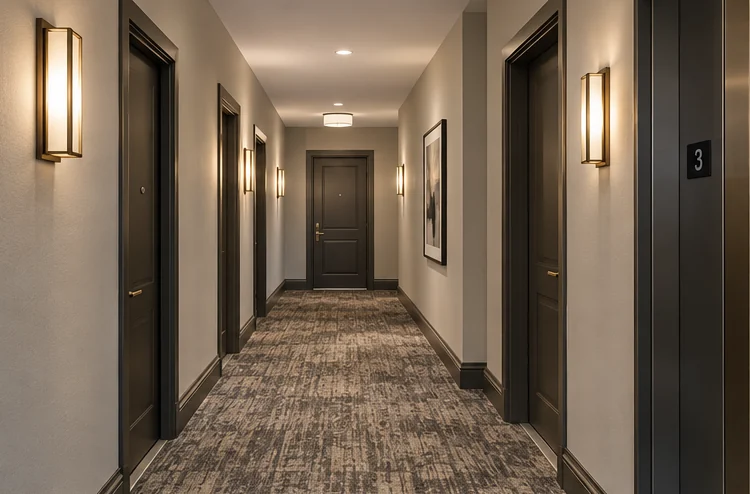
Drywall patching
Patches for holes, openings and localized wall damage, including areas affected by maintenance or low-voltage work.

Home / Services / Drywall & Interior Repairs
Damaged interior walls and ceilings deserve more than a quick patch. We assess the affected area, define the right repair scope, and prepare surfaces for a consistent finished appearance.
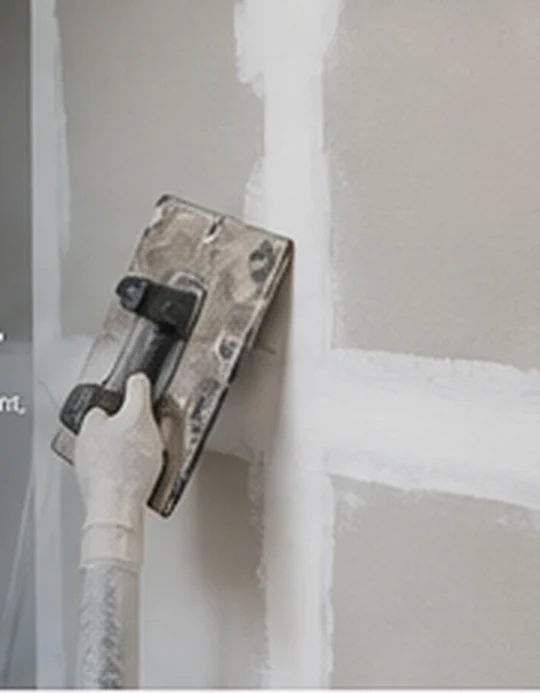
Interior damage comes in different forms. Whether an area was opened for building work or needs replacement after damage, the repair should suit the existing surface and intended finish.
Patches for holes, openings and localized wall damage, including areas affected by maintenance or low-voltage work.
Removal and replacement of damaged sections of interior wall or ceiling drywall where conditions permit.
Joint treatment, finishing and sanding with the intended final appearance considered in the scope.
Surface preparation and coordinated painting so a repaired area can blend into the surrounding room.
A defined scope avoids surprises around the level of repair, texture or paint finish required to complete the job.
Learn about LINQ ↗Review the opening or damaged area and note any conditions that must be addressed before covering it.
Discuss patching versus replacement and identify adjacent materials or finishes that affect the scope.
Complete the agreed board repairs, taping and finishing needed before the final decorative surface.
Address paint preparation or coordinated painting as included in the estimate.
We focus on targeted interior repairs for commercial buildings, multifamily properties and residences. Water-stained or repeatedly damaged areas may require the underlying issue to be corrected before drywall work proceeds.
Based in South Elgin, Illinois, LINQ Construction Group discusses interior improvement projects in Elgin and nearby Chicagoland communities. Scope, site access and timing are confirmed individually.
Often, yes. We assess the size of the damage, surrounding wall condition and desired finish to determine whether a localized repair is appropriate.
The expected finish should be agreed before work begins. Matching an aged coating or existing texture may require additional blending or repainting beyond the patch itself.
The source of moisture must first be identified and resolved. We can then review affected surfaces and whether replacement or further evaluation is needed before closing the area.
Share the project location, approximate damaged area and a description of the existing conditions.